
About Chasm
There is often a substantial distance between a good idea and a workable solution.
Chasm exists to help close that gap.
chasm · /ˈkazəm/ · noun · a deep division or separation between two things
Chasm works where what should happen meets what it actually takes to make it happen.
That distance shows up everywhere: between policy and implementation, institutions and communities, funding and capacity, strategy and operations, good intentions and workable systems.
Chasm Consulting helps organizations understand what is creating that distance—and build practical ways across it.
We work across disciplines because complicated problems rarely stay neatly inside one. Policy affects operations. Funding shapes implementation. Communications influence trust. Community relationships determine what is possible. Even the strongest strategy fails if the people, systems, and resources needed to carry it out aren’t there.
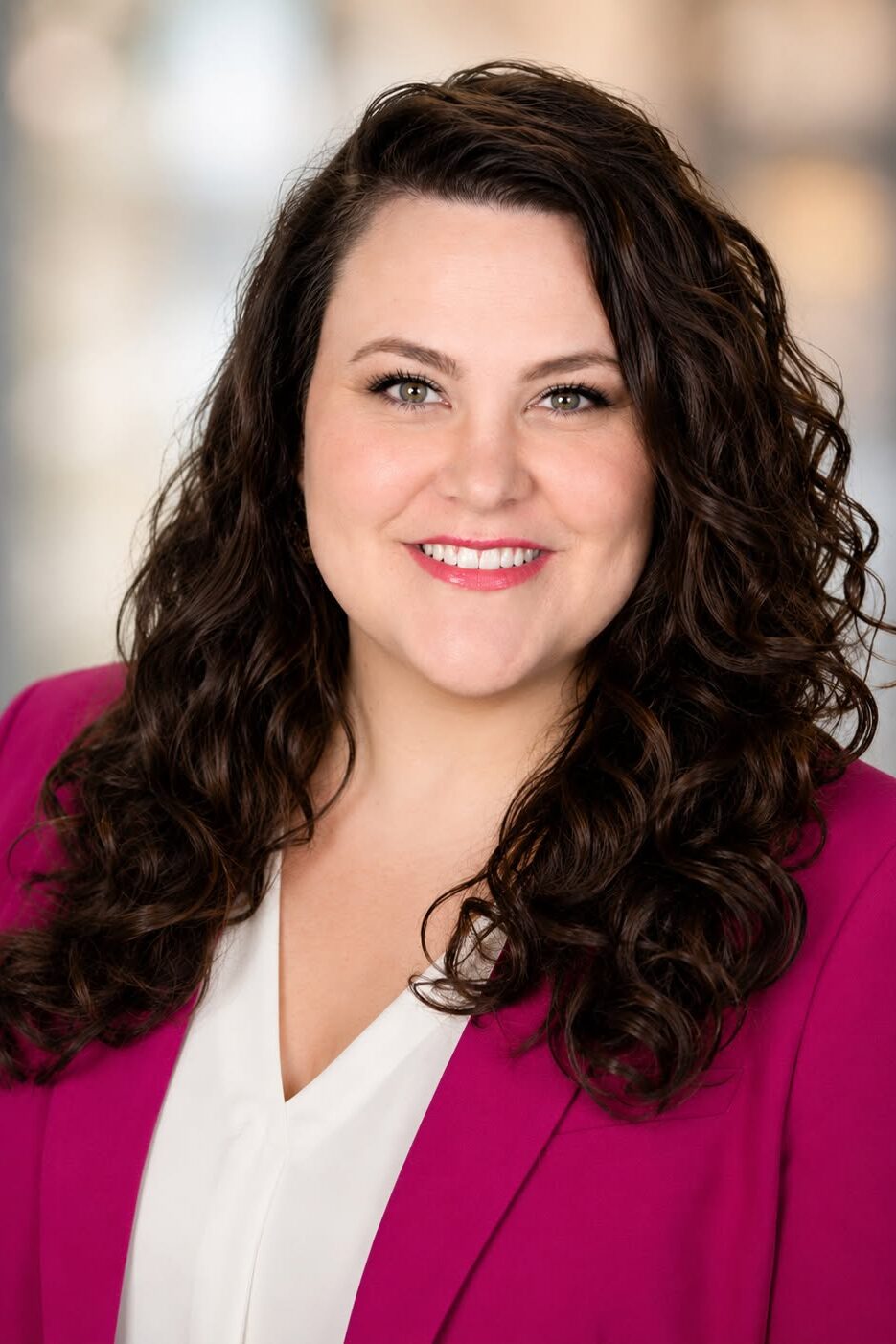
Kelie McWilliams, Founder & Principal
As Chasm’s founder and principal, Kelie brings more than 15 years of experience spanning government, healthcare, nonprofits, advocacy, communications, operations, and consulting.
Her work has moved between the places where policy is made and the places where it has to function—from legislative and public-sector work to healthcare systems, community organizations, rural policy, and implementation.
Across that work, Kelie has helped secure more than $10 million in public and philanthropic funding, engaged thousands of community members and stakeholders, redesigned systems that improved productivity by 30%, and supported organizations ranging from small community-based teams to complex institutions.
That range is part of Chasm’s approach: understanding a problem from more than one side, seeing how the pieces affect one another, and knowing that a solution isn’t finished until someone can actually make it work.
Matt, Research & Insights Manager
A lifelong Oregonian, Matt brings a varied professional background and a knack for getting to the bottom of complicated questions. As Chasm’s Research & Insights Manager, he specializes in research and communication, digging into community issues, identifying barriers and emerging concerns, and turning what he finds into useful, accessible information. His experience includes issue and opposition research, survey development, and gathering and organizing information to help teams better understand the people, places, and problems they’re working with.
Shani, Organizational Systems Manager
Shani brings an eye for organizational systems—and an uncanny ability to spot the hole in a plan before everyone falls through it. She helps Chasm examine how organizations actually work, identify inefficiencies and points of friction, and build practical systems that can grow without becoming unwieldy. Shani can usually be found walking with her dog or finding any excuse to head for the Oregon Coast.
Conor, Data & Evaluation Manager
Conor combines research, data analysis, and policy experience with years of hands-on work in communities across Oregon. He holds an M.S. in Political Science and is pursuing doctoral work focused on political institutions, public corruption, and money in politics. At Chasm, he helps clients measure outcomes, make sense of complex data, and understand what’s working—and why. A former sommelier, Conor spends his off-hours with his partner, two dogs, and a cat.
Heather, Project & Implementation Manager
Heather is the person who makes sure good ideas actually get done—and get done right. With a background spanning project management, communications, and IT, she has a knack for anticipating what needs to happen next, keeping complicated work on track, and solving whatever problem lands in her path. Outside Chasm, Heather loves to read, cook, and spend time with her daughter and sisters.
Our Extended Team
Chasm assembles project teams from a network of independent consultants and subject-matter specialists, allowing us to scale for larger or specialized engagements while keeping our core operation lean.
How We Work
Start with the actual problem.
We spend time understanding what is happening before deciding what the solution should be.
Understand the place.
Context matters. We look at the people, institutions, history, relationships, resources, and constraints surrounding the work.
Use evidence without hiding behind it.
Research and data should sharpen judgment, not substitute for it.
Bring people in for a reason.
Engagement should be meaningful, appropriately designed, and connected to decisions people can actually influence.
Build for implementation.
Recommendations should account for who will do the work, what they need, what it will cost, and what could get in the way.
Leave things better.
Our goal is not to make clients dependent on us. We build useful systems, tools, knowledge, and capacity that remain after the engagement ends.
Think we might work well together?
Let’s talk about what you’re working on.